Ecuador is known for fine-flavor 'Arriba' Nacional cacao and also grows large volumes of CCN-51. Knowing the difference, how prices are set and what the FDA expects saves time and money.
Two cacaos, two markets
- Nacional (Arriba), fine flavor: the traditional Ecuadorian cacao with floral and fruity notes, sought by craft and premium chocolate makers. Lots with traceability to a farm or association can earn premiums.
- CCN-51: a high-yield clone developed in Ecuador, widely used by industry for volume and butter content.
Be specific about which one you want. Many supply problems start with a vague "Ecuadorian cacao" order.
How prices are formed
Cacao trades on futures markets in New York (ICE) and London; the International Cocoa Organization (ICCO) publishes a daily indicative price. In Ecuador, an inter-ministerial commission of the Ministry of Agriculture (MAG) and the Ministry of Production (MPCEIP) sets weekly FOB reference prices for cacao beans and semi-processed products under Decree-Law 79 and executive decrees 1720-A and 887. The data is published as open data. Actual contract prices are the market price plus or minus a differential for origin, quality, certification and volume.
Quality checks
- Moisture around 7% for dry beans.
- Cut test: share of well-fermented, purple, slaty and moldy beans.
- Bean count per 100 g and defects.
- Sensory evaluation of liquor for fine-flavor lots.
- Contaminants: buyers for some markets test for cadmium and pesticide residues. Ask for recent lab results.
Always approve a pre-shipment sample and keep a reference sample.
Who to buy from
- Producer associations and cooperatives: aggregated volume, central fermentation, often organic or Fairtrade certified.
- Single estates: small, traceable lots for bean-to-bar makers.
- Exporters: handle consolidation, documents and shipping.
- Chocolate and semi-finished makers: liquor/paste, butter, powder, nibs and finished bars.
US requirements (FDA)
- Food facility registration: facilities that manufacture, process, pack or hold food for US consumption must register with the FDA.
- Prior Notice: every food shipment must be notified to the FDA before it arrives.
- FSVP: under FSMA, US importers must have a Foreign Supplier Verification Program for the foods they import, unless an exemption applies.
- Chocolate standards: products sold as "chocolate" in the US must meet the standards of identity in 21 CFR part 163.
Plant-health rules may also apply to raw beans. Check APHIS's requirements and talk to your customs broker about the HTS code (chapter 18).
Seasonality
Ecuador harvests cacao through much of the year, with a main crop in the coastal regions during roughly the first half of the year and a smaller crop afterwards; timing varies by region and variety. Ask suppliers for their harvest calendar and reserve volume for the months you need.
Red flags
- Prices far below the market without a clear reason.
- No samples, no lab results, no visit allowed.
- "Fine flavor" claims without traceability to a farm or association.
Shipping
Beans usually
Shipping
Beans usually ship by sea in jute or GrainPro bags from Guayaquil, priced FOB Guayaquil or CIF destination. Small samples and premium lots can go by air or courier. Agrocalidad issues the phytosanitary certificate for exports.
Practical first order
- Define variety, grade, volume, certification and delivery window.
- Request samples from 2–3 suppliers and compare cut tests.
- Agree on Incoterm, payment and inspection in a written contract.
- Start with one container or a small air shipment.
FAQ
What is the minimum order? It varies. Associations and exporters often work in full containers; single estates may sell a few bags.
Can I get organic or Fairtrade cacao? Yes, many associations hold these certifications. Ask for the certificate and the scope (which product and which site).
How long does shipping take? Sea transit from Guayaquil to the US East Coast or Europe usually takes a few weeks; ask your forwarder for current schedules.
Can I visit? Many producers welcome buyer visits. Harvest seasons vary by region, so ask before planning a trip.
Should I buy beans or semi-finished products? Beans give you control over roasting; liquor, butter or nibs save processing but need FDA-registered facilities.
Below are Ecuadorian cacao producers and chocolate makers listed on EcuaFarmEx. Reach them directly on WhatsApp.
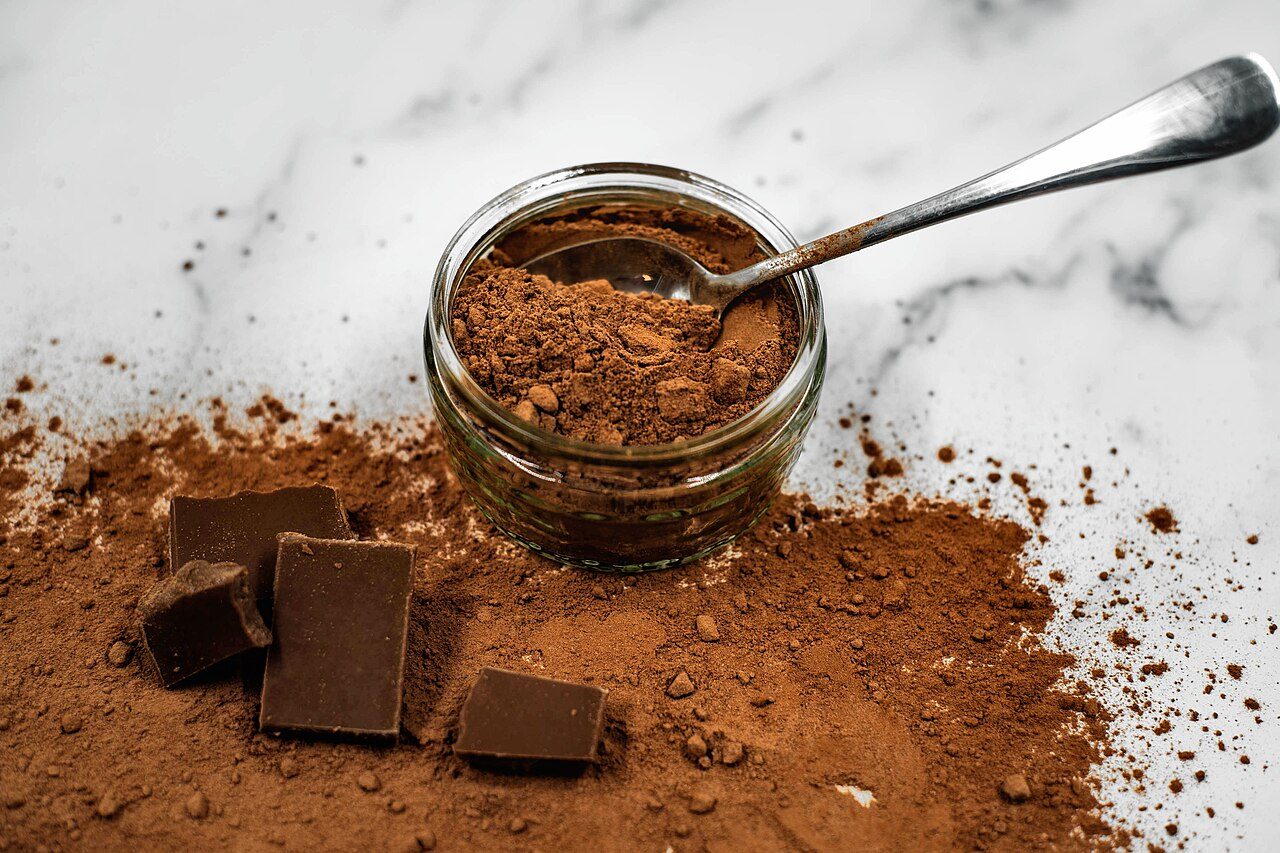 Cacao
 Alimentos elaborados
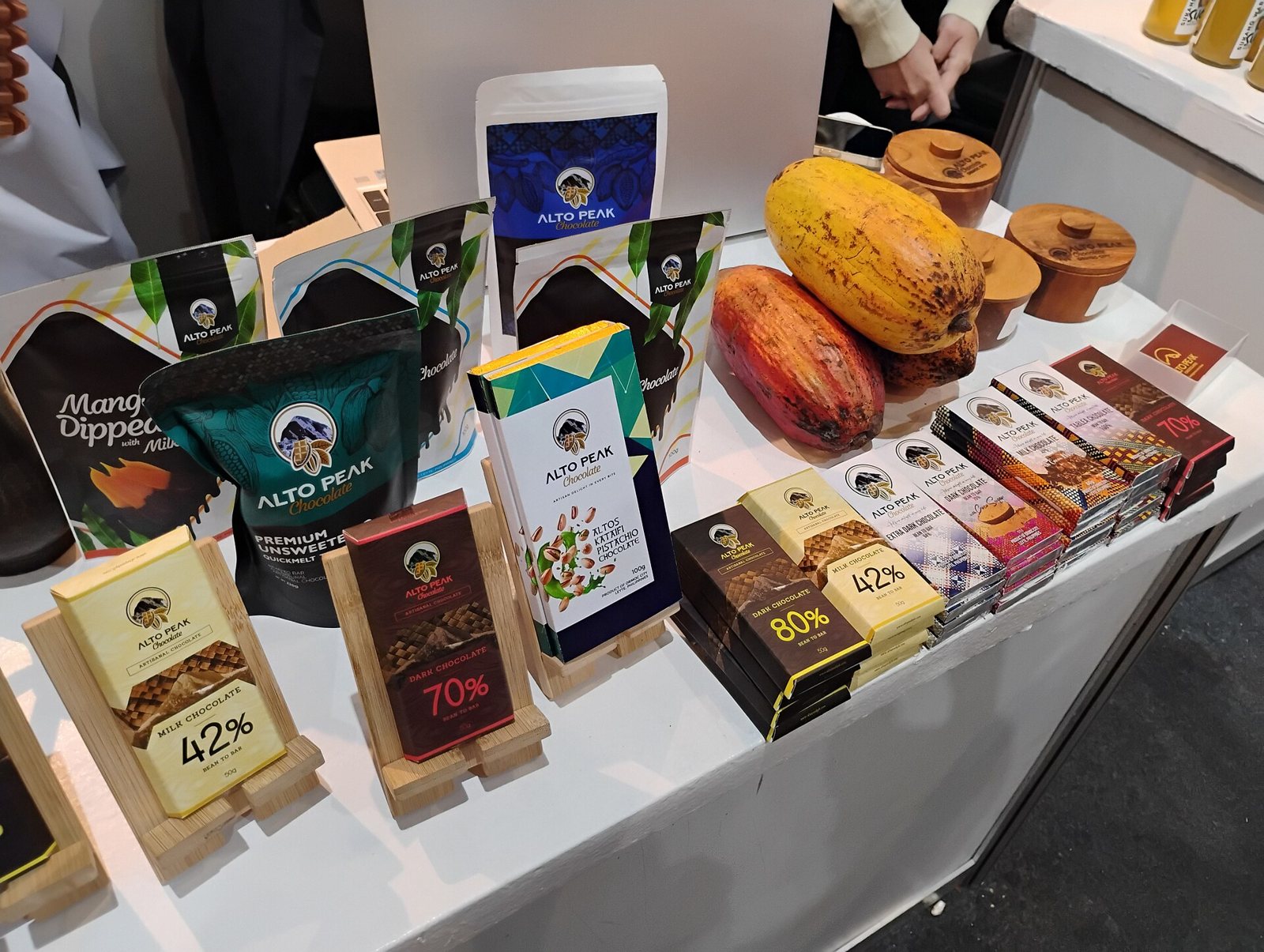 Cacao