Ecuador uses the US dollar, has direct air and sea links to the US and Europe, and many growers export directly. This is the checklist we would use for a first order.
1. Find and vet the supplier
- Ask for the company's legal name and RUC (Ecuador's tax ID), which appears on invoices.
- Ask which certifications apply (organic, Fairtrade, Rainforest Alliance, GLOBALG.A.P., BASC) and for current certificates.
- Ask whether they export directly or through an exporter. Both are normal; you need to know who issues the invoice.
- Request samples and photos of the actual lot, not catalog photos.
2. Choose an Incoterm
Incoterms® 2020 rules, published by the International Chamber of Commerce, define who pays for what and where risk passes. The most common with Ecuador:
- EXW (Ex Works): you collect at the farm. Cheapest quote, but you handle Ecuadorian export clearance — hard for a foreign buyer. Rarely the best choice.
- FCA (Free Carrier): the seller clears export and hands goods to your carrier, e.g. the cargo agency at Quito airport. Best fit for air freight such as flowers.
- FOB (Free On Board): sea freight only; the seller loads the goods on the vessel at Guayaquil or Posorja. Common for cacao, coffee and bananas.
- CIF / CFR: the seller pays ocean freight (and insurance for CIF) to your port, but risk still passes at loading in Ecuador.
- DAP / DDP: delivered to your door; simple for you, more expensive and less transparent.
Always write the Incoterm with a named place and version, e.g. "FCA Quito UIO, Incoterms 2020".
3. Payment
- Prepayment (T/T): common for new buyers and small orders. Reduce risk with a small first order.
- Partial prepayment: e.g. a deposit on order and the balance against copies of shipping documents.
- Documentary collection or letter of credit: safer for large sea shipments; banks handle the documents for a fee.
- Open account / credit: usually after several successful shipments.
Ecuador's currency is the US dollar, so there is no exchange-rate risk on USD contracts.
4. Shipping
- Air: from Quito (UIO) or Guayaquil (GYE). Used for flowers, fresh fruit and samples. Your freight forwarder books space with a cargo agency.
- Sea: from Guayaquil-area terminals. Used for bananas, cacao, coffee, shrimp and processed food, in dry or reefer containers.
Costs to include in your landed price
- Product price at the named place (e.g. FCA Quito, FOB Guayaquil).
- International freight and insurance.
- Origin and destination handling, inspection fees and storage.
- Customs broker fees and duties.
- Domestic transport to your warehouse.
Comparing suppliers only by unit price is misleading if their Incoterms differ.
5. Documents
- Commercial invoice and packing list.
- Air waybill or bill of lading.
- Export declaration filed with Ecuadorian customs (SENAE).
- Phytosanitary certificate (plants) or zoosanitary certificate (animal products) from Agrocalidad.
- Certificate of origin, when needed for a tariff preference.
- Certificates for organic or other claims, if they appear on the label.
6. US import side
- Customs broker: files the entry with CBP and pays duties per the HTS code.
- Food: FDA food facility registration (supplier), Prior Notice (each shipment) and FSVP (importer).
- Plants and plant products: APHIS requirements by commodity and country; inspection at the port of entry.
7. A simple first order
- Agree on specs, Incoterm, price, payment and delivery in a written contract or pro-forma invoice.
- Approve a pre-shipment sample or photos.
- Book freight and share the forwarder's details with the supplier.
- Receive the documents, clear customs and inspect on arrival.
- Give feedback quickly; it makes the second order much better.
FAQ
Do I need to travel to Ecuador? Not necessarily, but a visit before a large or long-term contract helps you check facilities and build trust.
Who is the "exporter of record"? The Ecuadorian company that files the export declaration. It must be the one named on the invoice.
Can a small business import? Yes. Start with a trial shipment by air or a shared container through a forwarder.
Which language? Spanish is standard; many export farms also work in English. WhatsApp is the most common business channel.
What if the goods arrive damaged? Document with photos on arrival, notify the supplier and your forwarder immediately, and check the insurance terms of your Incoterm.
Below are suppliers listed on EcuaFarmEx across categories. Message them directly on WhatsApp.
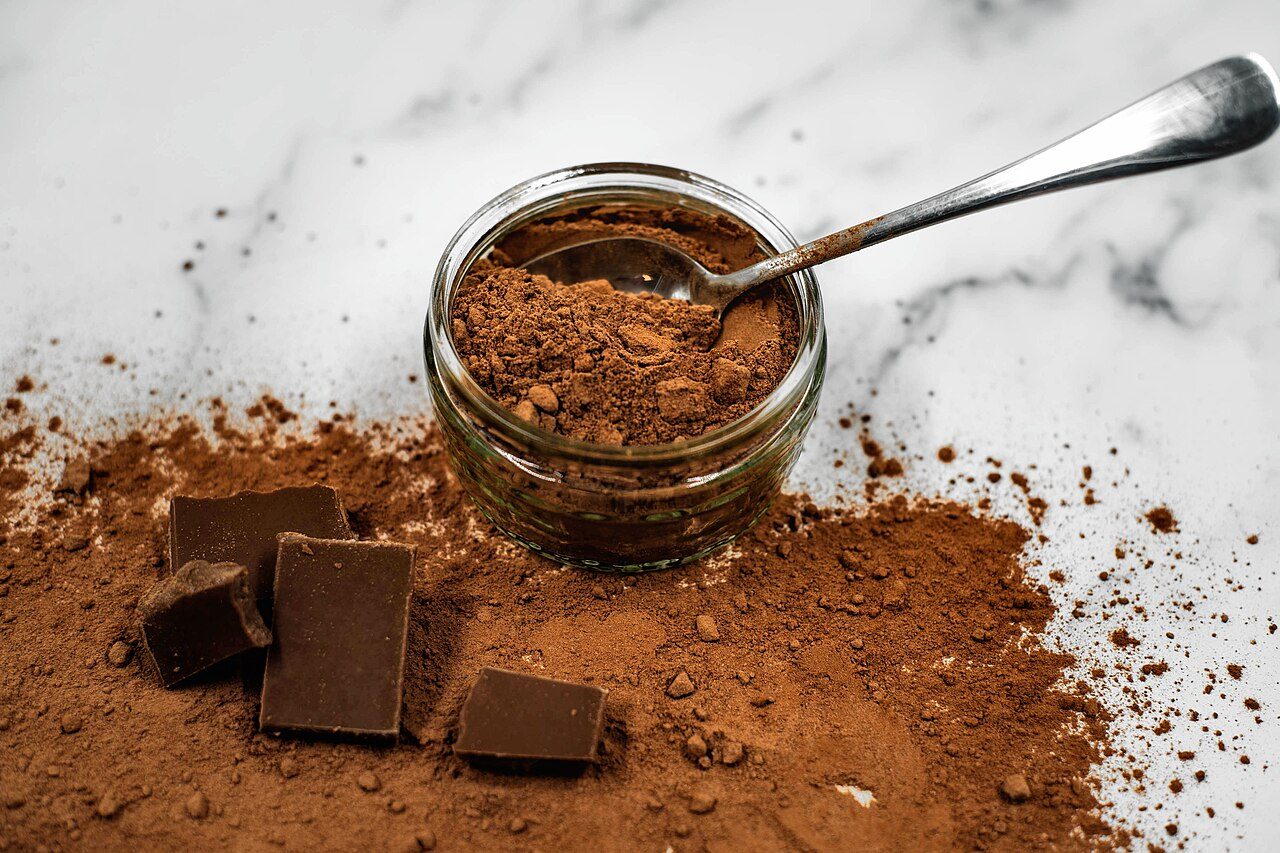 Cacao
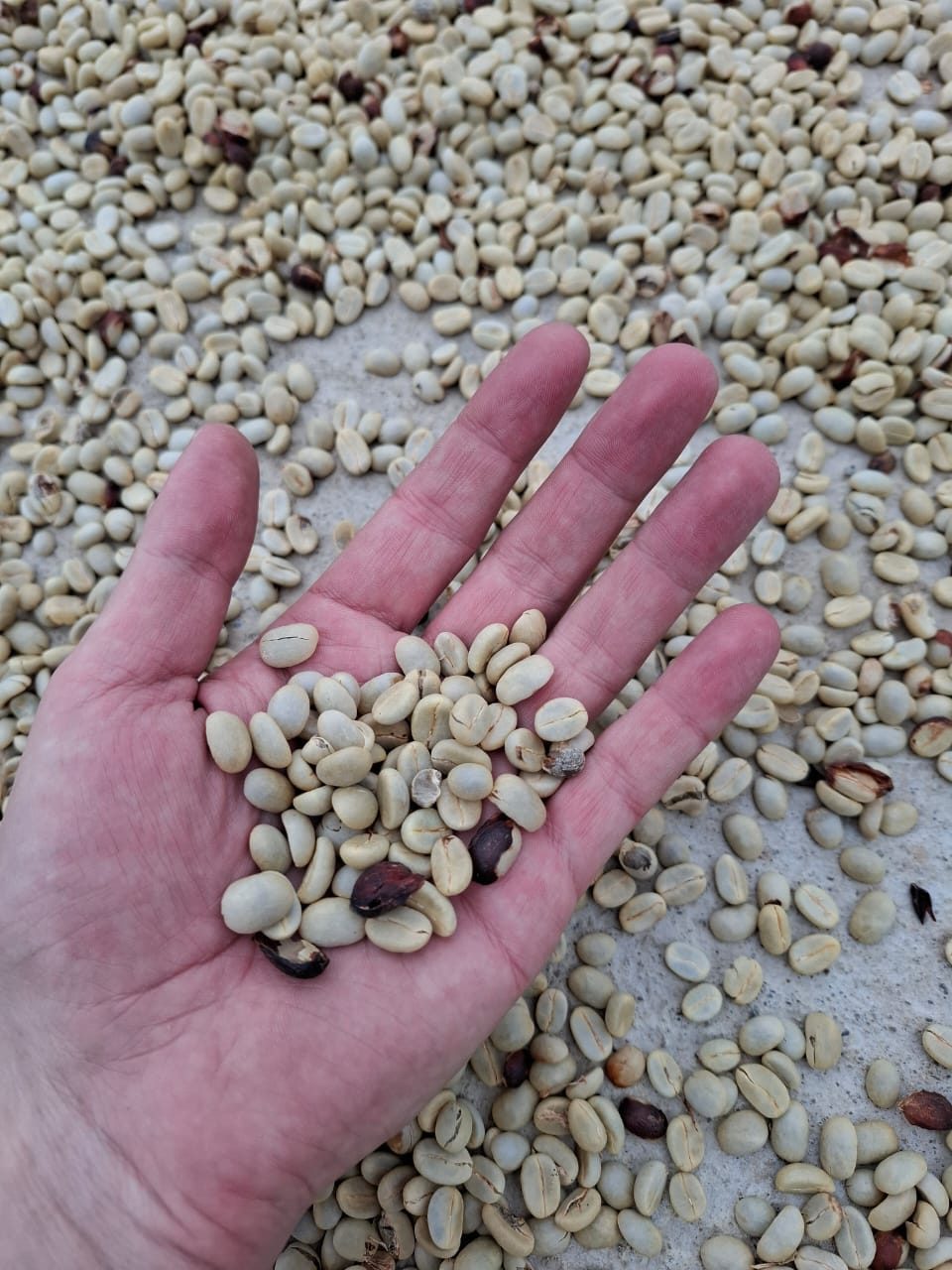 Café
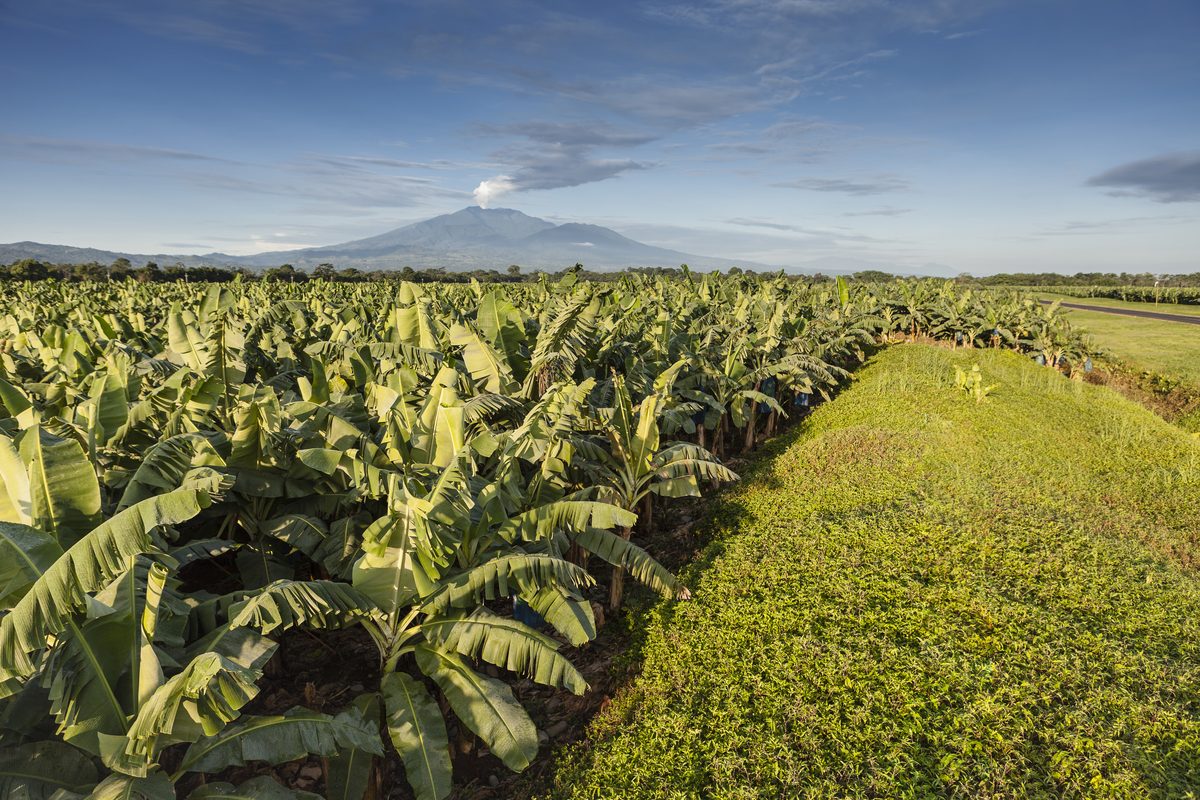 Banano y plátano
 Banano y plátano